
Published 27 March 2026 | Updated 7 April 2026
Technology
How to Build a Gym Management Software in 2026
Running a fitness business in 2026 is not just about equipment and trainers—it’s about smart technology. From managing memberships to tracking attendance and payments, gym management software has become essential for modern fitness centers. Whether you own a small gym or a large fitness chain, having the right fitness management software helps you automate operations, improve customer experience, and grow your business faster.
In this guide, we’ll walk you through everything you need to know—from features and development steps to cost, challenges, and expert tips to build the best gym management software.
Overview of Gym Management Software
Gym management software is a digital solution that helps gym owners manage daily operations such as memberships, payments, schedules, trainers, and customer engagement. Today, businesses prefer online gym management software because it offers real-time access, automation, and cloud storage. The gym management software market is growing rapidly as more fitness businesses shift to digital platforms.
Whether you need a simple tool or a complete gym business management software, the goal is the same—save time, reduce manual work, and improve efficiency.
Key Features of Gym Management Software
To build a powerful software for gym management, you need to include essential features that solve real problems. Here are the must-have features:
Membership Management Helps gyms easily add, update, and track member details like start dates, renewals, and cancellations. This ensures smooth handling of memberships without manual errors.
Attendance Tracking Allows gyms to monitor daily check-ins using QR codes or biometric systems. It helps track member activity and ensures accurate attendance records.
Billing & Payments Automates invoices, subscriptions, and payment reminders. This reduces manual work and ensures timely fee collection for better cash flow.
Class Scheduling Manages workout sessions, trainers, and bookings in one place. Members can reserve spots easily, and gyms avoid scheduling conflicts.
Trainer Management Tracks trainer schedules, performance, and availability. This helps gyms assign trainers efficiently and improve service quality.
Notifications & Alerts Sends reminders for renewals, upcoming classes, or special offers. It keeps members engaged and reduces missed payments or sessions.
Reports & Analytics Provides insights into revenue, growth, and customer behavior. Gyms can use this data to make smarter business decisions and improve retention.
Mobile App Integration Allows members to book classes, pay fees, and track fitness progress directly from their smartphones. This adds convenience and boosts user satisfaction.
Types of Gym Management Solutions
Before development, it’s important to choose the right type of solution:
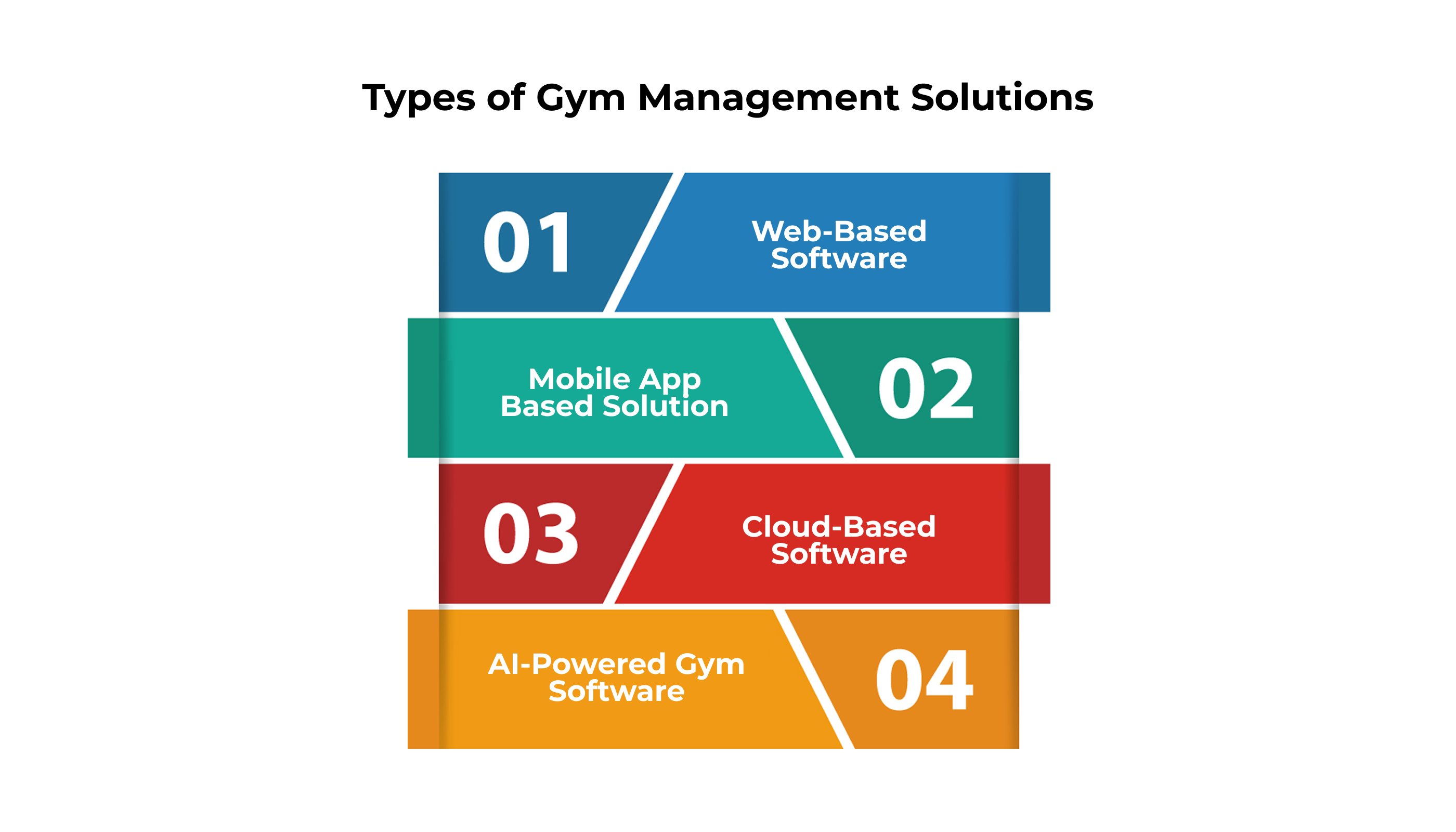
1. Web-Based Software
Accessible through browsers, ideal for admin and staff management.
2. Mobile App-Based Solution
Allows members to access services, book sessions, and track fitness goals.
3. Cloud-Based Software
Highly scalable and secure, perfect for growing gyms and chains.
4. AI-Powered Gym Software
Uses automation and data insights to improve customer experience.
Choosing the right type ensures your gym software management system meets your business needs.
Step-by-Step Process to Build Gym Management Software
Building gym management software requires a structured approach. Here’s a simple step-by-step process:
1. Define Your Requirements
Start by identifying your target audience, such as gym owners, trainers, or members. Decide what features your software should include, like membership tracking or billing. This step helps you set clear goals and avoid confusion during development.
2. Market Research
Study your competitors and analyze what the top gym management software solutions offer. Identify gaps in the market and opportunities to improve. This helps you build a product that stands out and meets real user needs.
3. UI/UX Design
Design a simple and user-friendly interface that is easy to navigate for both staff and gym members. Focus on clean layouts, smooth workflows, and mobile responsiveness. A good design improves user satisfaction and adoption.
4. Development Phase
Begin building the software using the right technologies for frontend, backend, and database. Developers turn designs into a working system with all required features. This is the core stage where your idea becomes a real product.
5. Testing
Test the software thoroughly to find bugs, performance issues, and security risks. Ensure that all features work smoothly under different conditions. Proper testing improves reliability and user trust.
6. Deployment
Launch your gym management software on cloud servers or hosting platforms. Make it available for users and ensure everything runs smoothly after release. This step marks your product’s entry into the market.
7. Maintenance & Updates
Regularly update the software to fix bugs, improve performance, and add new features. Ongoing maintenance ensures your system stays secure and up-to-date. It also helps you adapt to changing user needs and technology trends.
Technology Stack for Gym Software Development
Choosing the right technology is key to building scalable and secure fitness business management software.
- Frontend: React, Angular, Vue.js
- Backend: Node.js, Python, Java
- Database: MySQL, MongoDB
- Mobile Development: Flutter, React Native
- Cloud Platforms: AWS, Azure, Google Cloud
- Payment Integration: Stripe, Razorpay
A strong tech stack ensures your online gym management software performs smoothly and handles growth efficiently.
Cost to Build Gym Management Software in 2026
The gym management software cost depends on features, complexity, and development team. Here’s an estimated breakdown:
| Software Type | Features Level | Estimated Cost |
| Basic Software | Membership, billing, attendance | $5,000 – $10,000 |
| Mid-Level Software | Scheduling, reports, mobile app | $10,000 – $25,000 |
| Advanced Software | AI features, automation, integrations | $25,000 – $50,000+ |
Costs may vary depending on customization and region. Investing in scalable solutions ensures long-term benefits.
Challenges in Gym Software Development
Data Security
Protecting sensitive user data like personal details and payment information is essential. Any security breach can damage trust and lead to legal issues. Strong encryption, secure APIs, and compliance standards must be followed.
Scalability Issues
As your gym grows, the software must handle more users, data, and transactions. Poor scalability can slow down performance or crash the system. A scalable architecture ensures smooth performance even during peak usage.
User Experience
If the software is difficult to use, staff and members may avoid it. A poor interface leads to confusion and low adoption rates. Simple navigation and intuitive design are key to success.
Integration Complexity
Connecting with payment gateways, CRM systems, or third-party tools can be complex. Poor integration can cause errors and data inconsistencies. Proper APIs and testing are needed for seamless connectivity.
Real-Time Data Handling
Managing live updates like attendance, bookings, and notifications requires strong backend systems. Delays or errors in real-time data can affect operations. Efficient data processing ensures accurate and instant updates.
Tips to Build a Scalable and Successful Gym Management System
Focus on User-Friendly Design
Design the software with simplicity in mind so both staff and members can use it easily. Clear navigation and clean layouts improve usability. A good user experience increases engagement and satisfaction.
Choose Cloud-Based Architecture
Cloud platforms allow you to scale resources as your business grows. They also provide better reliability, storage, and remote access. This makes your system flexible and future-ready.
Integrate Automation Features
Automation helps reduce manual work by handling tasks like billing, reminders, and reports. It improves efficiency and saves time for gym owners. This also enhances overall productivity.
Ensure Data Security and Compliance
Implement strong security measures such as encryption and secure authentication. Follow industry standards to protect user data. This builds trust and ensures long-term reliability.
Add Mobile App Support
Mobile apps allow users to book classes, track progress, and receive updates easily. This improves customer engagement and convenience. It also gives your software a competitive advantage.
Use Analytics Tools
Analytics help you track performance, revenue, and user behavior. These insights allow better decision-making and business growth. Data-driven strategies improve overall efficiency.
Choosing the Right Gym Management Software Development Company
Selecting the right partner is crucial for success. Here’s what to look for:
Proven Experience in Gym Software Management Look for a company that has already built gym or fitness-related solutions. Their experience ensures they understand the unique challenges of managing memberships, billing, and scheduling.
Strong Portfolio of Similar Projects A solid portfolio shows the company’s ability to deliver successful projects. Reviewing past work helps you gauge their design quality, technical skills, and reliability.
Expertise in Modern Technologies The right partner should be skilled in the latest tools like cloud hosting, mobile app frameworks, and secure payment integrations. This ensures your gym software is future-ready and scalable.
Transparent Pricing and Timelines Choose a company that provides clear cost estimates and realistic delivery schedules. Transparency helps avoid hidden expenses and ensures smooth project management.
Post-Launch Support and Maintenance Software needs updates, bug fixes, and improvements over time. A reliable company offers ongoing support to keep your gym management system secure and efficient.
Why Choose PerfectionGeeks?
PerfectionGeeks is a trusted name in building scalable and secure gym management software solutions. With expertise in web, mobile, and cloud technologies, the team delivers customized solutions tailored to your business needs. From planning and design to development and deployment, PerfectionGeeks ensures high-quality, user-friendly, and future-ready software. Whether you need a basic system or advanced fitness gym management software, they provide end-to-end development services that help your business grow.
Frequently Asked Questions
Quick answers related to this article from PerfectionGeeks.
1. How much does it cost to build gym management software in 2026?
2. What features should the best gym management software include?
3. How long does it take to develop gym management software?
4. Can gym management software be integrated with other tools?
Conclusion
Building gym management software in 2026 is a smart investment for fitness businesses looking to streamline operations and enhance customer experience. From understanding the gym management software market to choosing the right features, technology, and development partner, every step plays a crucial role in success. By following the right approach and focusing on scalability, you can create a powerful fitness business management software that meets modern demands. Partnering with experts like PerfectionGeeks ensures that your software is not only efficient but also future-ready, helping your gym business grow in a competitive market.

Written By Shrey Bhardwaj
Director & Founder
Shrey Bhardwaj is the Director & Founder of PerfectionGeeks Technologies, bringing extensive experience in software development and digital innovation. His expertise spans mobile app development, custom software solutions, UI/UX design, and emerging technologies such as Artificial Intelligence and Blockchain. Known for delivering scalable, secure, and high-performance digital products, Shrey helps startups and enterprises achieve sustainable growth. His strategic leadership and client-centric approach empower businesses to streamline operations, enhance user experience, and maximize long-term ROI through technology-driven solutions.