Published 24 December 2025 | Updated 14 July 2026
Technology
How to Build an RFID Asset Tracking System in the UAE: A Complete Guide
Managing physical assets such as equipment, tools, vehicles, and inventory is a major challenge for many businesses in the UAE. Manual tracking methods often result in misplaced assets, time-consuming audits, and inaccurate records. An RFID asset tracking system helps organizations track assets automatically, improve visibility, and reduce losses. This complete guide explains RFID asset tracking in simple and easy words, covering how the system works, development steps, cost, and best practices for UAE businesses.
What Is RFID Asset Tracking?
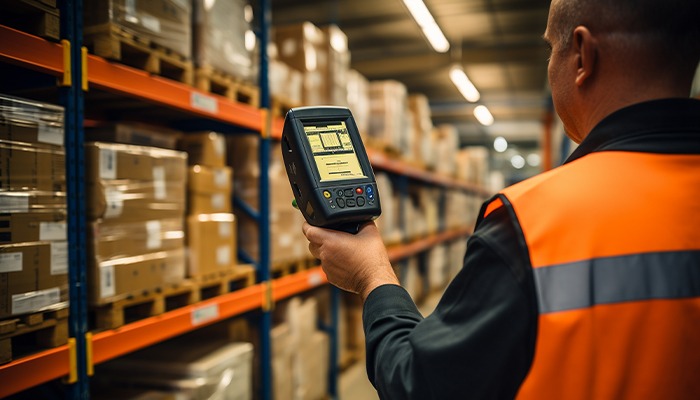
RFID asset tracking uses Radio Frequency Identification technology to monitor assets without manual scanning. Each asset is attached with an RFID tag that stores a unique ID. RFID readers detect these tags using radio waves and send the data to RFID asset tracking software.
An effective asset tracking RFID system includes:
- RFID tags (passive or active)
- RFID readers and antennas
- Backend servers and databases
- Software dashboard and reports
Together, these components form a complete RFID asset tracking solution.
Why RFID Asset Tracking Is Important in the UAE
Industries such as logistics, construction, healthcare, manufacturing, retail, aviation, and oil and gas operate at a large scale in the UAE. These industries require a reliable asset tracking system to manage assets across multiple locations.
Compared to barcode systems, an RFID tracking solution offers faster scanning, higher accuracy, and better performance in harsh environments. This makes RFID one of the best asset tracking system choices for UAE businesses.
Key Benefits of RFID Asset Tracking
- Real-time visibility of assets
- Reduced loss, theft, and misplacement
- Faster audits and inventory checks
- Improved operational efficiency
- Accurate data and reporting
- Better asset utilization
A well-implemented RFID solution for asset tracking improves control and reduces operational costs.
Step-by-Step Process to Build an RFID Asset Tracking System
1. Analyze Business Requirements
Identify which assets need tracking, where they are located, and how frequently they move. Decide if tracking is required indoors, outdoors, or both. This step defines the structure of the RFID asset tracking system.
2. Select the Right RFID Technology
Choose between passive and active RFID tags based on range, environment, and budget. Passive tags are cost-effective, while active tags support real-time tracking over long distances.
3. Design System Architecture
Plan how RFID readers, antennas, servers, and software will work together. A strong architecture ensures smooth performance of the asset tracking RFID system.
4. Develop RFID Asset Tracking Software
The RFID asset tracking software is the core of the system. It should include:
- Asset registration and tagging
- Real-time tracking dashboard
- Alerts and notifications
- Reporting and analytics
- User roles and access control
The software should be scalable and easy to use.
5. Hardware Installation and Integration
Install RFID readers at entry points, warehouses, yards, or work zones. Integrate the system with ERP, inventory, or asset management tools if required.
6. Testing and Deployment
Test the system in real operating conditions to ensure accurate reads and stable performance. After testing, deploy the RFID asset tracking solution and train staff.
RFID Asset Tracking System Cost in the UAE
The RFID asset tracking system cost depends on the number of assets, hardware type, software complexity, and customization level.
Estimated Cost Table for RFID Asset Tracking System
| Cost Component | Description | Estimated Cost (AED) |
|---|---|---|
| RFID Tags | Passive or active tags | 5 – 150 per tag |
| RFID Readers | Fixed or handheld readers | 2,500 – 15,000 per unit |
| Antennas & Accessories | Antennas, cables, mounts | 1,500 – 5,000 |
| RFID Asset Tracking Software | Dashboard, alerts, reports | 30,000 – 120,000 |
| System Integration | ERP and system integration | 15,000 – 60,000 |
| Testing & Deployment | Setup and configuration | 10,000 – 40,000 |
| Maintenance & Support | Annual support | 8,000 – 25,000 per year |
The final RFID asset tracking system cost varies based on business size and tracking requirements.
Choosing the Right Development Partner
Developing a reliable RFID system requires expertise in hardware selection, software development, and system integration. PerfectionGeeks provides customized RFID asset tracking solutions for businesses in the UAE. From requirement analysis to deployment and support, PerfectionGeeks delivers secure, scalable, and efficient RFID tracking solutions tailored to industry needs.
Frequently Asked Questions
Quick answers related to this article from PerfectionGeeks.
1. What is an RFID asset tracking system?
2. Is RFID better than barcode asset tracking?
3. What affects RFID asset tracking system cost?
Conclusion
Building an RFID asset tracking system in the UAE is a smart investment for businesses that want better control over their assets. RFID technology improves accuracy, reduces manual effort, and provides real-time visibility across locations. With the right planning, technology, and development partner, businesses can implement a reliable RFID asset tracking solution that supports long-term growth. Partnering with an experienced company like PerfectionGeeks ensures a smooth development process and a system that delivers real business value.

Written By Shrey Bhardwaj
Director & Founder
Shrey Bhardwaj is the Director & Founder of PerfectionGeeks Technologies, bringing extensive experience in software development and digital innovation. His expertise spans mobile app development, custom software solutions, UI/UX design, and emerging technologies such as Artificial Intelligence and Blockchain. Known for delivering scalable, secure, and high-performance digital products, Shrey helps startups and enterprises achieve sustainable growth. His strategic leadership and client-centric approach empower businesses to streamline operations, enhance user experience, and maximize long-term ROI through technology-driven solutions.