
Published 12 June 2026 | Updated 10 July 2026
Web3 Development
Web3 in Entertainment and Social Media: Revolutionizing Digital Interactions
The integration of Web3 technologies into the entertainment and social media sectors signifies a paradigm shift. This evolution is characterized by the decentralization of platforms that empower both creators and users. Through blockchain technology and decentralized networks, individuals gain greater control over their content, data, and digital identities. This blog delves into how Web3 is reshaping the entertainment landscape, enhancing user engagement, and fostering a more equitable ecosystem for creators.
Transform Your Digital Experience
Web3 technologies are revolutionizing entertainment and social media by enabling decentralized platforms that promote content ownership, privacy, and direct monetization for creators and users alike.
- Web3 technology is reshaping the entertainment and social media landscapes.
- Decentralized social networks empower users with ownership and control over their data.
- The creator economy leverages blockchain for enhanced monetization opportunities.
- NFTs provide a framework for content ownership and authenticity.
- Web3 media platforms enable direct engagement between creators and audiences.
- Tokenized engagement systems reward users for their contributions.
- Decentralized identity ensures privacy and security for users.
- By avoiding hype, businesses can focus on practical implementations of Web3 technologies.
- Industries like healthcare, finance, and eCommerce can benefit from these advancements.
- Choosing the right strategy involves understanding the unique features of Web3 and aligning them with business goals.
What is Web3 in Entertainment?
Web3 represents the next generation of the internet, emphasizing user ownership, decentralization, and enhanced privacy. Within the entertainment sector, Web3 technologies harness blockchain to create immersive experiences that prioritize user engagement and ownership. This shift allows content creators to manage their intellectual property directly, leading to new monetization avenues and a stronger connection with their audiences.
How Social Media is Changing with Web3
The evolution of social media through Web3 involves a transition from traditional, centralized platforms to decentralized networks. These new systems prioritize user control, allowing individuals to dictate the terms of their interactions and data sharing. Users are no longer mere consumers; they become stakeholders in the platforms they engage with, fostering a sense of community and shared ownership.
Decentralized Platforms Explained
Decentralized platforms operate on blockchain technology, which eliminates the need for intermediaries. This structure enhances transparency, security, and user empowerment. Users can create and share content without the constraints imposed by centralized entities, thus maintaining control over their data and how it is utilized. Notable decentralized social networks include Mastodon and Diaspora, which prioritize user privacy and autonomy.
Creator Economy and Token Rewards
The creator economy thrives in a Web3 environment, where blockchain facilitates direct relationships between creators and their audiences. Token rewards systems incentivize user participation by offering tokens for actions such as sharing content or engaging with posts. This model not only rewards creators but also encourages community involvement, transforming passive viewers into active participants.
NFT-Based Content Ownership
Non-Fungible Tokens (NFTs) have emerged as a transformative mechanism for content ownership in the digital space. They allow creators to tokenize their work, providing proof of ownership and authenticity. This innovation has profound implications for artists, musicians, and content creators, enabling them to monetize their creations directly while retaining ownership rights. Platforms like OpenSea and Rarible exemplify how NFTs are revolutionizing content distribution in the digital age.
Use Cases in Entertainment Industry
Web3 technologies have a multitude of applications across various segments of the entertainment industry, including:
| Use Case | Description | Example |
|---|---|---|
| Music Distribution | Direct sales of music via blockchain to eliminate intermediaries. | Platforms like Audius allow artists to share their music and earn directly. |
| Gaming | Play-to-earn models where players earn tokens for gameplay. | Games like Axie Infinity allow players to earn while playing. |
| Film Financing | Decentralized funding for film projects, allowing fans to invest. | Filmio enables creators to fund projects through community investment. |
Challenges in Adoption
Despite the promising potential of Web3 in entertainment and social media, several challenges hinder widespread adoption:
- Technological Integration: Adopting new technologies requires significant shifts in infrastructure and user education.
- User Trust: Building trust in decentralized systems is vital, as users must feel confident in their data security.
- Regulatory Issues: The evolving regulatory landscape poses challenges for compliance and legal frameworks in decentralized platforms.
Future of Web3 Media
The future of media in the Web3 landscape is ripe with potential. As technologies mature, we can expect greater personalization, enhanced user experiences, and increased monetization opportunities for creators. Additionally, as more users become aware of their rights and the value of their data, the demand for decentralized solutions will likely grow. Organizations should prepare to adapt to these changes by investing in education, exploring decentralized models, and building robust community engagement strategies.
Decision Guide
As businesses consider the integration of Web3 technologies, they should reflect on the following:
- Choose Web3 if: You aim to empower users with control over their data and seek to create deeper engagement through token rewards.
- Choose traditional models if: You prioritize immediate access to established audiences and require simpler onboarding processes for users unfamiliar with blockchain.
- Choose a hybrid approach if: You want to gradually introduce decentralized elements while maintaining some centralized aspects to ease the transition for users.
Frequently Asked Questions
Quick answers related to this article from PerfectionGeeks.
1. How do decentralized social networks enhance user control?
2. What role do NFTs play in content ownership for creators?
3. How can tokenized engagement systems benefit social media users?
4. What challenges do media startups face in adopting Web3 technologies?
5. How does the creator economy leverage blockchain for monetization?
Conclusion
As the landscape of entertainment and social media evolves with Web3 technologies, businesses must navigate this shift thoughtfully. Understanding the implications of decentralized networks, user ownership, and token economies is crucial for success. Below are some practical considerations:
- Evaluate your audience: Determine how your target demographic engages with content and what they value in terms of ownership and participation.
- Choose the right platform: Assess various Web3 media platforms and select those that align best with your content strategy and audience needs.
- Focus on practical applications: Avoid the hype around Web3; instead, concentrate on implementing solutions that offer tangible benefits, like enhanced monetization and user engagement.
- Build a community: Leverage decentralized social networks to foster closer connections between creators and their audience, enhancing loyalty and engagement.
By making informed decisions and focusing on real-world applications, businesses can successfully integrate Web3 technologies into their models. For more information on how PerfectionGeeks can assist you in this transition, contact us today.
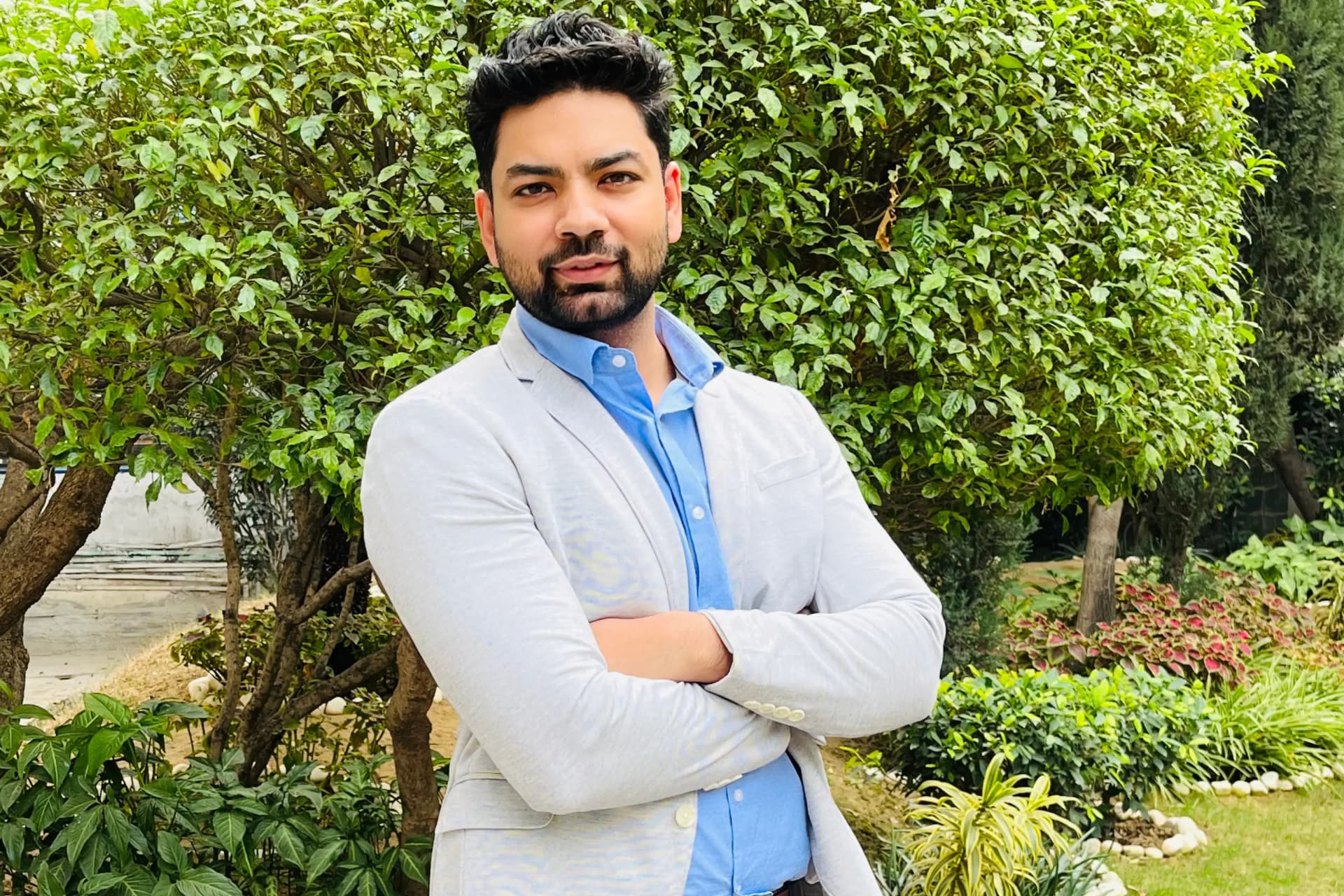
Written By Shrey Bhardwaj
Director & Founder
Shrey Bhardwaj is the Director & Founder of PerfectionGeeks Technologies, bringing extensive experience in software development and digital innovation. His expertise spans mobile app development, custom software solutions, UI/UX design, and emerging technologies such as Artificial Intelligence and Blockchain. Known for delivering scalable, secure, and high-performance digital products, Shrey helps startups and enterprises achieve sustainable growth. His strategic leadership and client-centric approach empower businesses to streamline operations, enhance user experience, and maximize long-term ROI through technology-driven solutions.